鸿门宴
Chinese conservationist explores community-based wildlife protection in Kenya_我的网站

一 | 8月21日电 国务院新闻办公室8月21日举行“开局起步‘十五五’”系列主题新闻发布会。
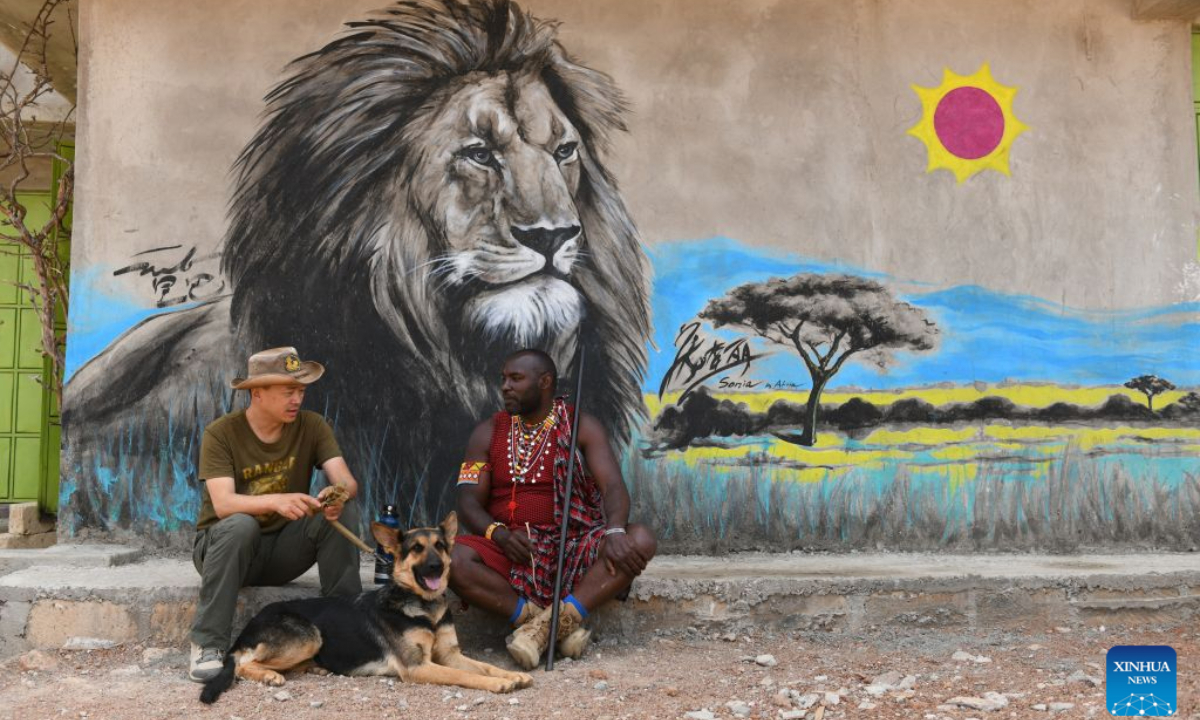
Zhuo Qiang (L) talks with Simon Msago, a Maasai community leader in Ngoswani, in Narok, Kenya, Aug. 12, 2026. (Xinhua/Liu Qiong)As dawn breaks over Ol Kinyei Conservancy in Kenya's Maasai Mara ecosystem, rangers are already combing the grasslands for signs of unauthorized entry and poaching while keeping a close watch on wildlife.
Among them is Chinese conservationist Zhuo Qiang, nicknamed "Simba," the Swahili word for lion. For him, this early-morning routine is driven by a broader mission to achieve human-wildlife coexistence.
In 2010, Zhuo left his job in China at the age of 37 and embarked on a less-traveled path: pursuing wildlife conservation in Kenya.
Without professional training in wildlife conservation, he found himself in a territory then dominated by Western organizations and local practitioners.
But Zhuo decided to stay. "I wanted to prove that Chinese people could also do wildlife conservation," he said.
Initially, Zhuo saw conservation largely through the lens of wildlife science: working in the field, studying animals and collecting data.
Living and working with Maasai communities changed that perspective. "The fate of wildlife was closely tied to the people sharing the same land," he said.
In the Maasai Mara ecosystem, livestock grazing is deeply connected to the livelihoods of pastoral communities. "If local people are asked to stop grazing but are given no alternative source of income, conservation cannot be sustainable," Zhuo said.
That principle laid the foundation for his work with the local community in establishing the Ol Kinyei Conservancy.
The area had suffered from prolonged overgrazing, with plants and the land itself deteriorating. Under the conservation model, local grazing land was leased and gradually restored, allowing vegetation to recover and creating a more suitable habitat for wildlife, said Zhuo.
Meanwhile, households participating in the scheme receive land-rental income and have access to jobs such as wildlife rangers and tourism workers. Their average annual income has increased from around 500 U.S. dollars to about 3,700 dollars, according to Zhuo.
Some residents from surrounding communities also learned from the experience and brought the approach back to their own grazing areas.
Nowadays, 26 private conservancies have been established around the Maasai Mara National Reserve, covering about 1,600 square km, according to Zhuo.
He believes the network of community conservancies provides additional safe space for wildlife to move and survive, extending conservation efforts beyond the boundaries of a single national reserve and into surrounding communities.
Simon Msago, a Maasai community leader in Ngoswani, said Zhuo's work encouraged more residents to take an active role in conservation.
In the past, many residents saw few direct benefits from wildlife conservation and had limited awareness of its importance. Today, community members are increasingly willing to work as rangers and protect wildlife, creating an effective layer of protection around the conservancies, Msago said.
"Human-wildlife conflict cannot be solved simply through restrictions and prohibitions. The key is to create alternative sources of income so that residents can gain tangible benefits from conservation," Zhuo said.
"That is what makes community-based conservation sustainable -- allowing local people to become part of wildlife conservation rather than bystanders with no stake in it."
While continuing his work in the Maasai Mara, Zhuo has also sought to strengthen exchanges between China and Africa in wildlife conservation.
In recent years, he has visited more than 30 nature reserves and national parks in China, sharing his experiences of community-based conservation in Africa with Chinese counterparts.
"Conservation practices in China and Africa each have their own characteristics, and there is much that the two sides can learn from each other," he added.
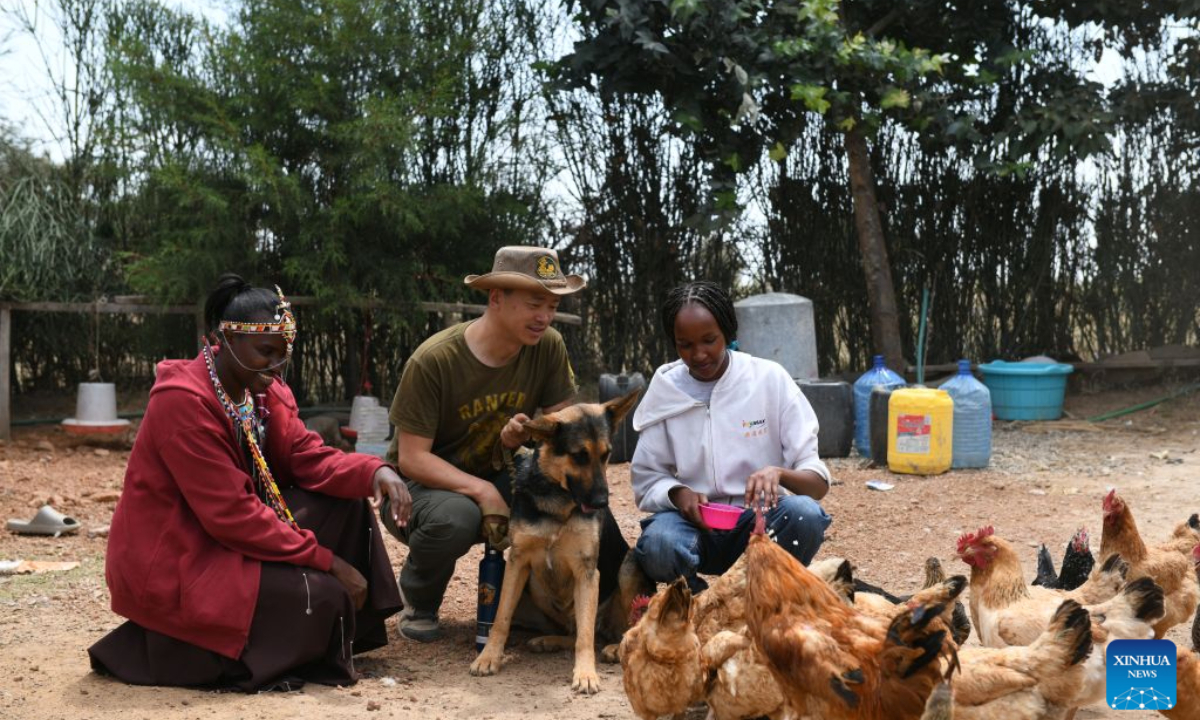
Zhuo Qiang (C) checks the chickens raised by local residents in Narok, Kenya, Aug. 12, 2026. (Xinhua/Liu Qiong)
。财政部国际经济关系司司长程智军表示,今年是APEC“中国年”,也是中国第三次担任APEC东道主。10月份将在香港举办APEC财长会,为APEC领导人非正式会议做好财金成果的准备。 据介绍,在国际财经合作和交往上,财政部统筹国内国际两个大局,加强多双边财经交流和务实合作,深度参与全球经济治理改革,取得了不少成效。 一是推动全球经济治理改革,维护国际公平正义。

二 | 加大运筹二十国集团财金渠道,推动各方客观、平衡、全面讨论全球增长、全球失衡、国际债务等重大议题,在金砖国家财金合作中发挥建设性作用,推动“大金砖合作”不断走深走实。积极推动上合组织开发银行筹建进程,推进上合组织财金智库网络建设。 二是强化与国际机构合作,拓展高质量发展新空间。

三 | 以参与世界银行营商环境成熟度评估为契机,助力国内营商环境改革迭代升级;支持中国—世行全球生态系统与转型中心投入运行并积极发挥作用。今年也是中国与亚洲开发银行建立合作关系40周年,将开展一系列庆祝活动,并以此为契机,推动双方合作迈上新台阶。在中国的大力支持下,亚洲基础设施投资银行已经开启新的辉煌十年,也推动亚投行设立总额100亿美元的能源、粮食安全与经济韧性基金,支持广大发展中国家发展。推动新开发银行实现稳步扩员和投融资业务稳健增长,开启新开发银行高质量发展的第二个“金色十年”。 三是加强双边交流与务实合作,推动共同繁荣发展。以中美两国元首重要共识为引领,深入参与中美经贸磋商。筹备新一轮中国与加拿大经济财金战略对话。巩固深化同英国、法国、德国财金合作,促进实现互利共赢。拓展提升与俄罗斯、巴西、沙特、印度等新兴经济体的财金合作水平,维护“全球南方”共同利益,提高“全球南方”话语权。
Current article:http://73q.xuebenwagangqingre.buzz/list_jb0/fkr8pka.html
Published on:13:48:18





 发表于 21:52:36
 QQ好友和群
 QQ空间
QQ空间 腾讯微博
腾讯微博 腾讯朋友
腾讯朋友 收藏
收藏 支持
支持 反对
反对
 发表于 22:25:52


