

本站推荐电影
-
·从“上场”到“进厂” 资本加码押注人形机器人产业化前景
·《坊巷百年 英雄丰碑》新书发布 福州英雄故事有了全新打开方式
·731部队海拉尔支队档案揭露日军掩盖细菌战罪行
·首款搭载tvOS的设备退场:苹果停售2015版Apple TV HD
·切尔奇:我当年根本不想去西甲,是被都灵驱赶去马竞的
·活力中国调研行|一部剧带火一座城 解锁县域文旅消费新玩法,活力中国调研行|一部剧带火一座城 解锁县域文旅消费新玩法
·刷新亚洲纪录夺冠!17岁中国“小孩姐”起飞
·上海寻梦信息技术有限公司
·新形式的华硕Rog笔记本:不同的体验
·普华永道:2026年上半年中国并购市场强势回暖,量价齐升突破近三年高位
·微软发布了Windows7补丁KB4487345,修复了1月份更新的网络/激活问题。
·雨果&孙颖莎分获世界杯男女单打冠军,收获奖金65万元人民币
·记者:罗德里参加合练有望战毕巴迎首秀,加维、德容单独训练
·对哈尔科夫攻势,普京表态
·受大规模太阳风暴影响,新西兰这些地方的供电受到了影响!
本站推荐电视剧
-
·上海:推进AI+广告公共服务平台、AI广告中试基地建设
·海外服务器选购最新指南:站长要考虑哪些性能指标
·受权发布丨国务院关于修改和废止部分行政法规的决定
·新疆现如今的奇幻现象“寒夜灯柱”:极光之美
·2025年618活动最便宜时间是什么时候,淘宝京东活动时间已确认:从6月17日20点开始到18日全天优惠力度最大
·着物姿の3歳娘と32歳母→2年後…… 驚きの姿に「なんて美しい親子」「ママ譲りの脚の長さ」「菜々緒さんかと思った」
·Bollywood and The Middle East: A Growing Connection
·协议刚落地,沙特就被炸了,土巴直接装死,中东版北约成了笑话!,兵器展望,原创 协议刚落地,沙特就被炸了,土巴直接装死,中东版北约成了笑话!
·北交所打新必看:50万门槛+拼手速,用LDP柜台怎么抢跑?
·文班直言五号位适配自己 传接球基础仍要打磨
·122“全国交通安全日”活动来袭,蜀黍等你来参加→→→
·用心 环卫车巧念“节水经”
·美最新研究:新冠病毒使至少50万人脱离美国劳动力市场
·30倍吞吐碾压!英伟达Vera Rubin首测出炉:Agent工作负载下GB300被彻底超越
·热身赛:被轰23-1!中国男篮19分惨负乌拉圭吞首败 赵嘉义17分
电影下载排行
-
·热议中国U18男篮惜败澳大利亚:裁判连续抢戏惹争议 媒体人评论一边倒
·Nupur Sanon Set to Marry Longtime Boyfriend Stebin Ben in January 2026 ?
·热点预告:2026科隆游戏展即将开幕!《GTA6》将发布全新加长版预告片!
·挪威拟监管智能眼镜 考虑禁止公共场所人脸识别功能
·兴城市召开“两优一先”表彰大会
·苹果新款 Mac mini 可连接三台显示器,但不同处理器的多显示器最高分辨率有区别
·刚刚,杭州主城区升级为台风黄色预警信号:今天到明天白天上城区、拱墅区、西湖区和滨江区所有街道有大雨到暴雨,局部大暴雨
·Birkenstock goes public on New York Stock Exchange
·झारखंड में प्रेमी की पिटाई से आहत किशोरी ने कर दी मां की हत्या, गला घोंटकर उतारा मौत के घाट
·华尔街大举招揽AI专业人士,纽约科技人才数量首次超越旧金山
·【现货】8月18日海外各地区对二甲苯现货市场价格汇总
·C919迈入国际常态化运营新阶段
·Washington state senator arrested in Hong Kong for gun possession and granted bail
·江苏南京:福彩助残站点铺就残疾人就业路
·山上通了电 村民笑开颜
电视剧下载排行
-
·詹姆斯妻子讲诉她和詹姆斯的感情,没有她,詹姆斯就不会加盟76人
·乒超大冷门!王楚钦输给世界第249名
·抚顺特钢:“高精特新”引领“老字号”企业高质量发展
·以日本现在的实力,真能打赢俄罗斯吗?俄结束战斗只需一天,洞察军事,原创 以日本现在的实力,真能打赢俄罗斯吗?俄结束战斗只需一天
·中国人“25万移民日本”的时代,结束了
·【机情四设】第45期:超神就位!用现有顶配硬件打造微星全家桶终极游戏PC
·ONSIDE与T1晋级以韩国队伍为主的无畏契约第二阶段季后赛
·机圈最大盛会!苹果发布会本周官宣:三款iPhone集中亮相
·六尺巷有礼·千万福临门!新疆福彩1200万重磅活动火热进行中
·微视频|石家庄山姆开业,隔壁山西人乐坏了!周末购物就近打卡很方便,跨省消费迎来全新选择
·本人没有主动消费,没有明确知情开通自动续费代扣协议,扣款发生在凌晨,本人没有任何
·雷军:红米红米纸条7Pro节后发布
·内蒙古乌兰察布突发山洪致4人死亡
·熊猫雪地里给自己滚成元宵了
·22岁男子篮球赛中突然倒地离世,父亲在直播中目睹
失业生
-
发布时间:2026-08-26
刘銮雄太太第三胎
Multiple Chinese universities raise gaokao score requirements for arts admissions_我的网站

A |
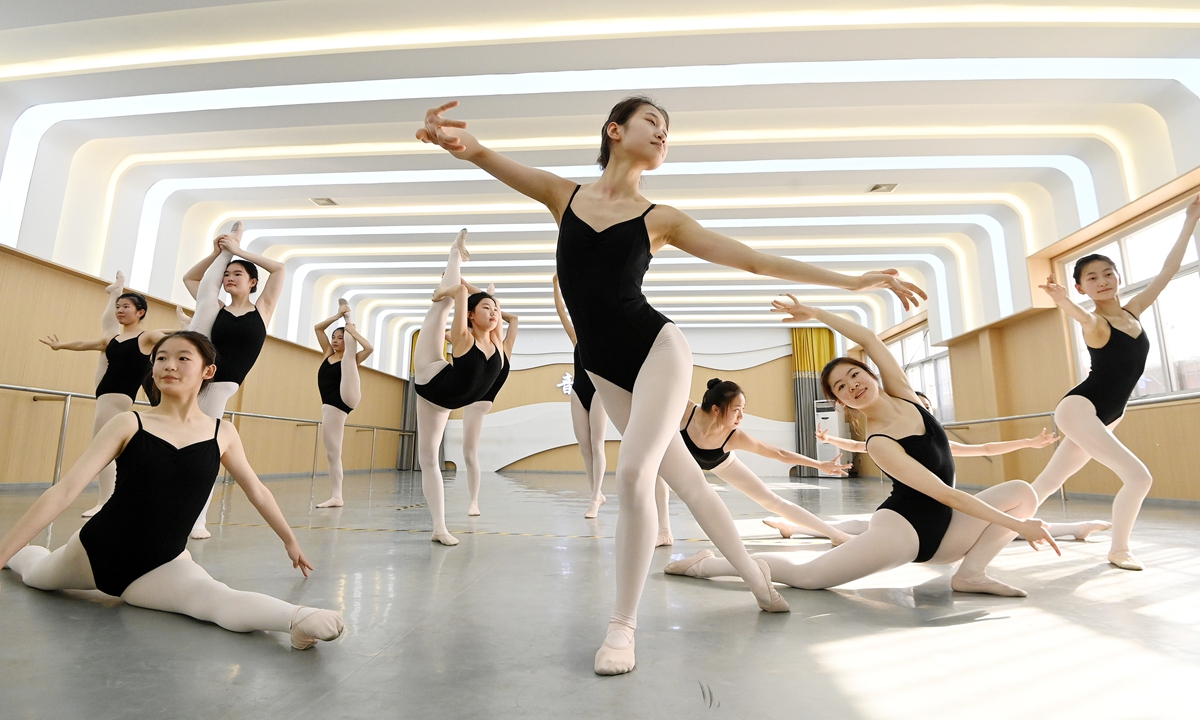
Even during summer break, changes to the admissions policy at the Communication University of China (CUC) have sparked heated discussions among students, with the reform becoming a hot topic on campus and on social media.
Amid heated debate over China's top media and arts school's admission reform, eight majors, including radio and television directing and theater directing, will no longer require separate arts exams and will instead admit students based solely on gaokao (the national college entrance exam) scores starting next year.
China's art college entrance examination, known as yikao, is a special admission pathway for students applying to arts-related majors. Applicants take both the gaokao and professional tests in areas such as fine arts, music, dance, acting, broadcasting and directing. Compared with many other university programs, art majors have traditionally placed less emphasis on gaokao scores and more on candidates' professional abilities and artistic potential.
"As one of China's most influential universities for media education, CUC's reform is seen as having broader implications," Xiong Bingqi, president of the 21st Century Education Research Institute and vice president of the China Association of College Newspapers, told the Global Times.
In his view, future arts admissions are likely to place greater emphasis on students' cultural literacy, professional interests and long-term potential.
Beyond the 'shortcut'
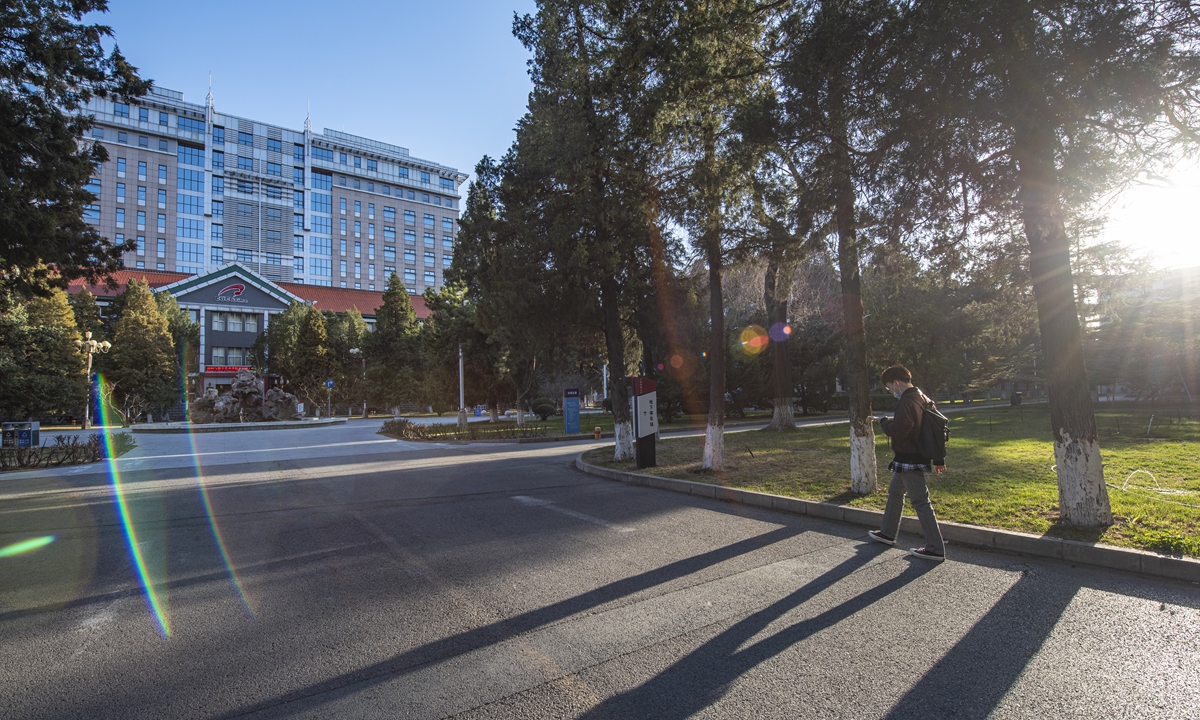
CUC's move reflects a broader trend among Chinese arts universities. In recent years, institutions such as Nanjing University of the Arts and Henan Academy of Fine Arts have reduced the number of majors requiring school-based exams on their specific art subjects, placing greater emphasis on academic performance and provincial-level arts examinations.
The changes reflect a broader trend in China's arts education admissions system, where universities have increasingly emphasized students' cultural foundation alongside their artistic abilities.
"CUC's latest adjustment reflects a broader trend in arts education reform, with some arts-related majors beginning to admit students based on their gaokao scores rather than separate professional examinations," Xiong told the Global Times.
According to Xiong, one of the key goals of the reform is to address the utilitarian mindset among some students and parents who view arts admissions as a "shortcut to college."
In the past, some arts programs had relatively lower requirements for cultural scores, prompting some students with weaker academic performance to turn to arts exams and enroll in professional training programs during high school. As a result, arts admissions were sometimes seen not as a choice driven by genuine artistic interest or career aspirations, but as an alternative pathway to enter universities.
"The cooling of arts exam fever, to me, is a good thing for arts education and talent cultivation," Xiong said. "By admitting eight majors directly based on cultural scores, CUC is effectively removing the stepping stone of the 'shortcut to college,' allowing more students with genuine artistic interests and professional ambitions to enter these fields."
For students, the reform has directly changed how they prepare for university and make academic choices.
"The changes have created more pathways for students interested in media-related fields," a junior arts management student surnamed Wang at CUC, told the Global Times.
Wang recalled that many students around her began preparing for arts exams as early as their sophomore year of high school and later traveled to cities where their target universities were located for intensive training.
As some media-related majors shift to cultural-score-based admissions, more students who did not take the arts exam but have a genuine interest in the media field may gain opportunities to enter these programs, she said.
Rethinking media talent
Beyond changing how students enter arts majors, the reform has also sparked discussion over how universities should train future media professionals.
A CUC sophomore student surnamed Wei from the School of Theater, Film and Television told the Global Times that one challenge after scrapping arts exams for some majors is how to support students who enter without systematic professional training.
"Students who previously prepared for arts exams often developed basic skills in audiovisual language and practical experience before entering university. Those admitted based on gaokao scores may need stronger professional guidance and more opportunities for practice," Wei said.
In addition to individual student development, the reform has also prompted discussions over what qualities future media professionals should possess. Kai Zhu, a drama education instructor at a leading high school in Beijing, told the Global Times that an overemphasis on exam-oriented training in media arts education had previously led some programs to focus on templates and techniques while neglecting core competencies.
"If media arts become a low-score pathway to university, the professional nature of the field will become blurred, and the industry may face a shortage of well-rounded talent," Kai said. CUC's reform signals a shift toward selecting media talent with both cultural depth and professional skills.
"Creative fields such as screenwriting and filmmaking are not built on technical skills alone; they require an understanding of society, humanity and history," he said.
"Cultural accumulation determines the depth and vision of creative works."
The reform is therefore not merely about changing the way students enter arts programs. Ultimately, it is about what kind of creators media and arts programs hope to nurture: not only those equipped with professional skills, but those who can think deeply, understand society and transform their cultural knowledge into meaningful works, he noted.
Wang Wenpei contributed to this story.
。 The International Emmy-nominated original series Four More Shots Please! is releasing its fourth and final season on December 19, 2025. Produced by Pritish Nandy Communications and created by Rangita Pritish Nandy and Ishita Pritish Nandy, the final season is directed by Arunima Sharma and Neha Parti Matiyani. It stars Sayani Gupta, Kirti Kulhari, Bani J and Maanvi Gagroo in the lead roles. Signing off the year in style, the final chapter arrives just in time for the holiday season. It shows a heartwarming reunion of the beloved girl gang of Anjana, Siddhi, Damini and Umang. The new season sees the four divas return for one last round, not to start over, but to finish what they started.Alongside the lead cast, the other cast members include Prateik Smita Patil, Lisa Ray, Rajeev Siddhartha, Ankur Rathee and Milind Soman. It sees the quartet back in action with Dino Morea, Anasuya Sengupta and Kunaal Roy Kapur joining the ensemble this season.The trailer gives a glimpse into the end of an era. It is a vibrant and emotional peek into the final chapter of the quartet's journeys, loaded with the comedy that made millions fall in love with this franchise in the first place. It shows glimpses of fights and long conversations, alongside some unwarranted mistakes. The unshakeable sisterhood between the four leads is also visible in the trailer. As Damini, Umang, Anjana and Siddhi step into new phases of their lives, this season promises bold choices, long-overdue conversations, rekindled sparks, heartbreak, reinvention and the signature chaos that made the show a cultural phenomenon. It's all here - only bigger, funnier and more spirited than before.“It’s rare for a show to touch lives so deeply, and Four More Shots Please! did that because fans embraced these four women exactly as they were – messy, brave, vulnerable, loud, loving, and real women with agency and distinct voices. Damini has been a fun, liberating character to play for the last 8 years and I have literally grown up with her. As we close this chapter, I feel immense gratitude to the fans that stood by us, season after season with unbound love, affection and loyalty," shares Sayani Gupta.“Being a part of Four More Shots Please! has been one of the most meaningful experiences of my career. Anjana’s journey – her strength, her flaws, her evolution – resonated with so many women across the world, and that love has carried us through four beautiful seasons. As we wrap this final chapter, my heart is full. This show became bigger than just a story. It became a voice. And that’s only because the fans held us, celebrated us, and kept us going from day one," expresses Kirti Kulhari.Maanvi Gagroo adds, "Four More Shots Please! didn’t just give me a character. It gave me a tribe. From the very first season, Siddhi found a place in people’s hearts, and that connection is something I continue to cherish deeply. Every woman who saw a bit of her younger self in Siddhi made this journey worth it. This season is a celebration of the fans who have grown with us, supported us, and continue to love us unconditionally." Bani J says, "Umang has lived loudly. Loved loudly. Broken loudly. And rebuilt herself loudly. Fans embraced all her shades right from the beginning, and that love only grew stronger with every season. This finale is our way of giving back to everyone who rooted for this girl gang, who partied with them, cried with them, and celebrated with them."Also Read: ’I Never Believed in PR’: Kirti Kulhari on Full Plate, Four More Shots Please & More | Exclusive。

B |
Current article:http://73q.xuebenwagangqingre.buzz/fpf/20260826/4339.html
Published on:02:50:30
下载地址2:点击进入迅雷高速下载 温馨提示:邀请好友一起下,可提高下载速度,若遇无法下载,可另选时间尝试或重装软件!
下载方法:安装软件后,点击即可下载,谢谢大家支持,欢迎每天来!